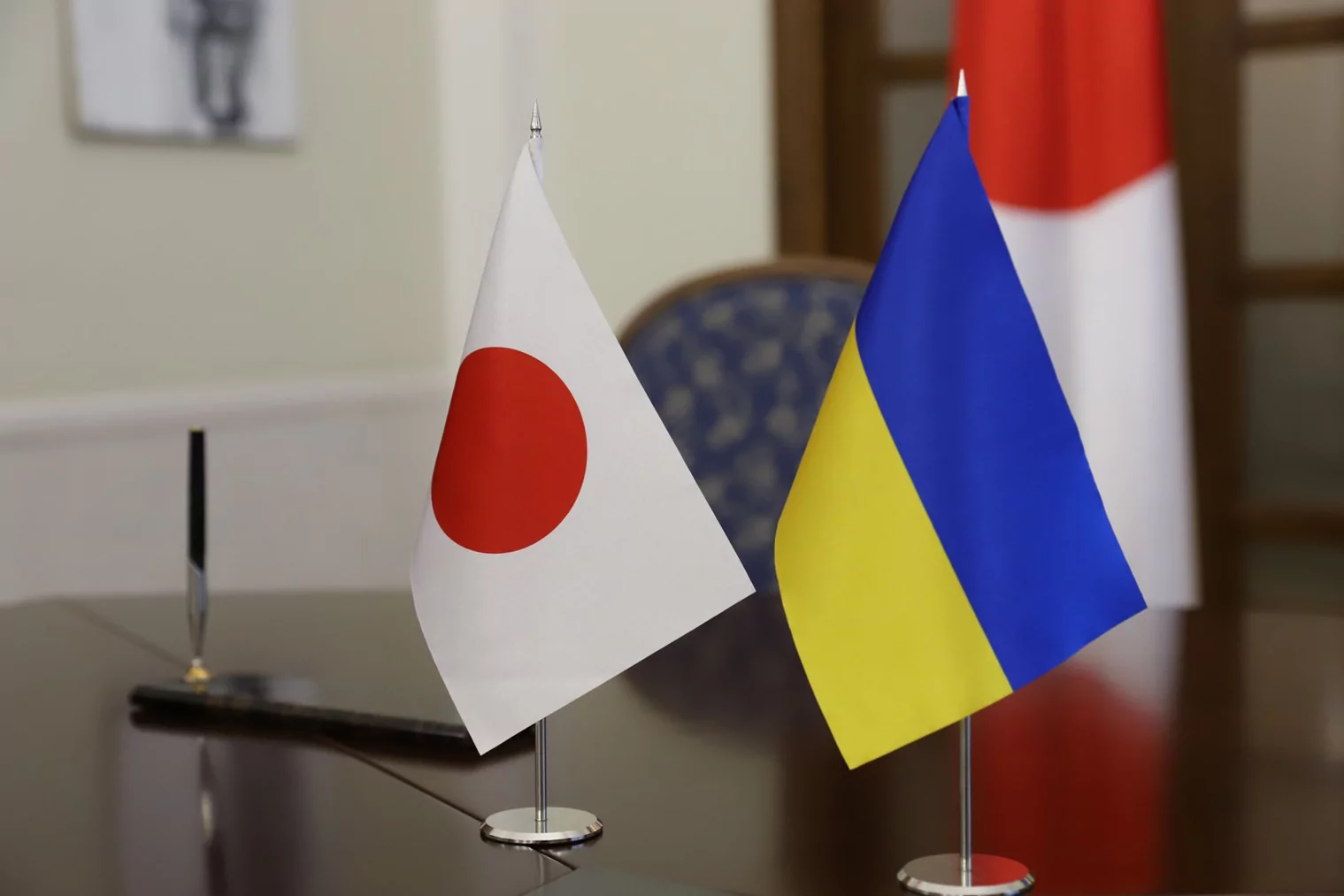
Ukraine has received $51.5 million in funding, supported by Japan, to develop its healthcare system. The funds have already been transferred to the state budget as part of the World Bank’s THRIVE project. The Prime Minister of Ukraine, Serhiy Koretskyi, announced the new tranche. The funding will be directed, in particular, towards improving the effectiveness of the Medical Guarantees Programme and strengthening the capacity of the National Health Service of Ukraine.
Briefly about the main points
- Ukraine has received $51.5 million for healthcare.
- The funding was provided with the support of Japan.
- The funds were received as part of the THRIVE programme.
- They will be channelled to the Medical Guarantees Programme and the National Health Service of Ukraine.
The funds have already been transferred to the state budget
According to the report Sergey Koretsky, a new tranche amounting to $51.5 million has already been credited to the Ukrainian state budget.
Funding secured under the World Bank programme Transforming Healthcare through Reform and Investments in Efficiency — THRIVE, which is intended to help Ukraine reform its healthcare funding system.
The main areas for the use of funds should be improving efficiency Healthcare Guarantee Schemes and strengthening institutional and operational capacity National Health Service of Ukraine.
It was precisely these objectives that were embedded in THRIVE from the outset of the project. The World Bank noted that the programme is intended to improve the efficiency of public spending on healthcare and strengthen the technical capacity of the National Health Service of Ukraine.
How the THRIVE programme works
THRIVE is implemented using the following model Programme-for-Results — results-based funding.
This means that Ukraine receives individual tranches once pre-defined reform targets have been met and verified. For example, in April 2025, Ukraine received $50 million after fulfilling the condition of increasing the capitation rate for primary healthcare.
A further $30 million was received in October 2025, and in December Ukraine received the next tranche of $19.5 million. By the end of 2025, the World Bank had already provided approximately $320 million as part of THRIVE.
According to Koretsky, following this latest tranche, the total amount of funds received by Ukraine under the programme stands at $449 million.
The total volume of THRIVE is up to $1.2 billion
The THRIVE project was launched at the end of 2024. Its planned total volume was estimated at more than $1.2 billion for 2024–2027.
The initial loan agreements totalled $449 million, with a further $5 million provided as a grant. A significant portion of the funding was made possible thanks to support from the Japanese Government through the fund ADVANCE Ukraine.
In July 2026, the Ministry of Health and World Bank signed an agreement on additional funding for THRIVE of $444 million. Following its signing, the agreed funding for the programme amounted to nearly $900 million.
Japan remains one of the programme’s key donors
The Japanese Government plays a significant role in funding THRIVE.
At the time the programme was launched, $249 million in loan financing was secured with Japan’s support through ADVANCE Ukraine. The World Bank specifically highlighted the role of Japanese guarantees in the implementation of Ukrainian healthcare projects.
In July 2026, the Ministry of Health reported that Japan’s total contribution amounted to more than three-quarters of THRIVE’s funding.
As well as in the field of healthcare, Tokyo is supporting Ukraine through World Bank projects in the areas of education, social protection, infrastructure and reconstruction. In September 2026 alone, Ukraine received a further $60 million as part of the LEARN educational project.
What should the new funding have an impact on?
One of THRIVE’s main objectives is to make the use of funds from the Medical Guarantees Programme more efficient and to link funding for healthcare facilities to outcomes and the quality of services.
A separate area of focus is the development of the National Health Service of Ukraine’s (NSZU) capacity to monitor the work of healthcare facilities, analyse the quality of medical care and improve the strategic procurement of healthcare services.
Consequently, the new tranche should be directed not towards specific construction projects or the purchase of equipment, but first and foremost towards Systemic funding and reform of the Ukrainian healthcare system.