European states tightened control over the Russian «shadow fleet» in 2026. Since the beginning of the year, France, Germany, Sweden, Italy, and Belgium have arrested or stopped seven Russian sanctioned vessels. The cost of such vessels' downtime can reach up to $2.2 million per day.
Record arrests in 2026
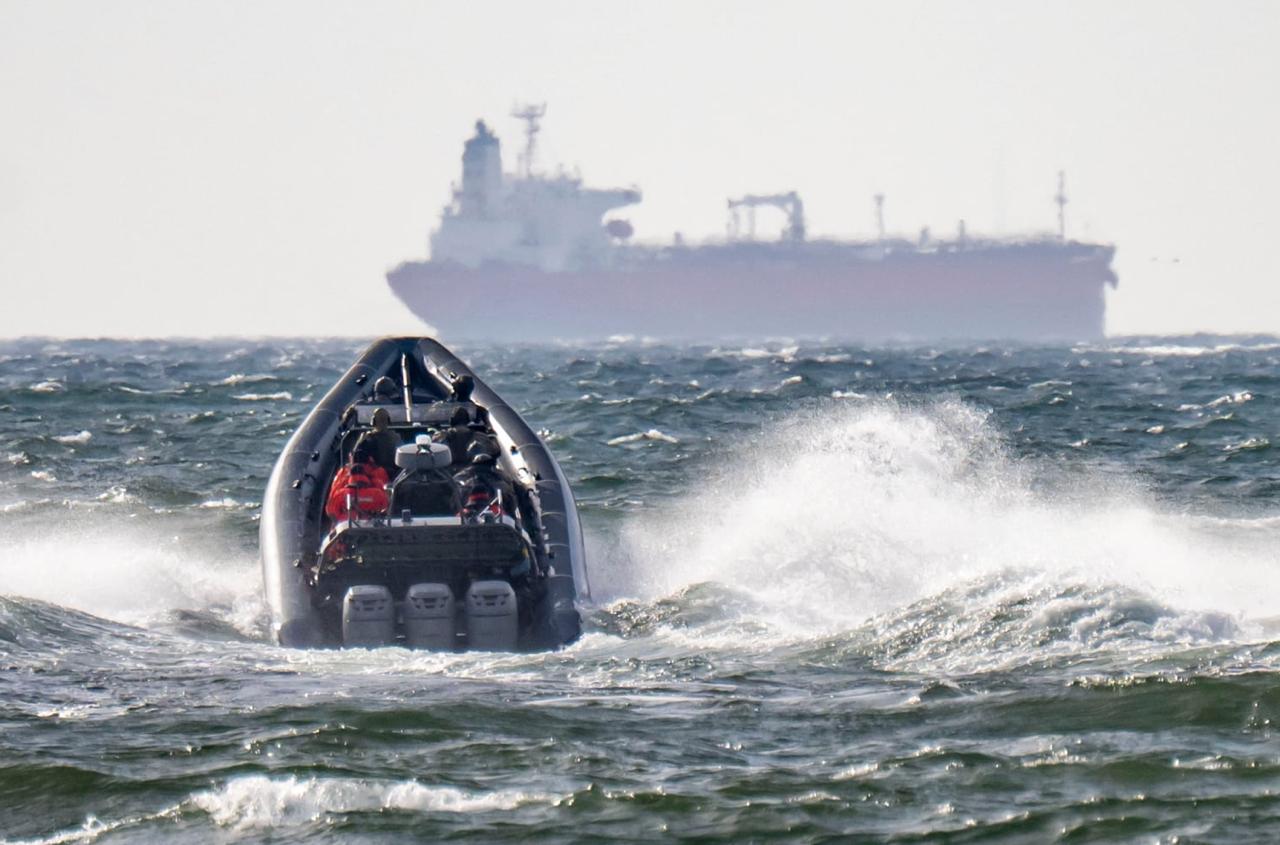
This year, European countries are demonstrating unprecedented activity in countering the Russian «shadow fleet». Since the beginning of 2026, France, Germany, Sweden, Italy and Belgium have stopped or arrested seven vessels involved in the sanctioned transportation of Russian oil. For comparison, there were only nine such cases in all of 2025.
Experts Forbes note that even short-term delays have a significant economic impact on Russian carriers. A single day of downtime can cost from $0.6 to $2.2 million in lost revenue, freight and fines for rerouting.
Traffic volumes remain high
Despite the increase in the number of arrests, traffic volumes remain high. In January alone, 42 sanctioned tankers crossed the English Channel. In the first quarter of 2026, more than 300 voyages of such vessels were recorded.
These data show that, despite the active efforts of European partners, the, Russian shadow fleet continues to have significant operations in the region.
Financial implications for Russia
Potential losses for the seven arrested vessels could exceed $290 million, including downtime and fines. According to Forbes, One day of vessel downtime costs $0.6-2.2 million. financial pressure on Russian carriers.
At the same time, according to the International Energy Agency, Russia earned about $19 billion from oil exports in March 2026, and $9.5 billion in February. This shows that export revenues remain significant despite the increase in arrests.
Will the trend continue?
The dynamics of arrests demonstrates the growing attention of European partners to the issue of sanctions control. However, given the scale of the shadow fleet, the effectiveness of these measures remains a subject of discussion among experts.
The extension of sanctions and control of maritime traffic may affect the further activity of Russian vessels.