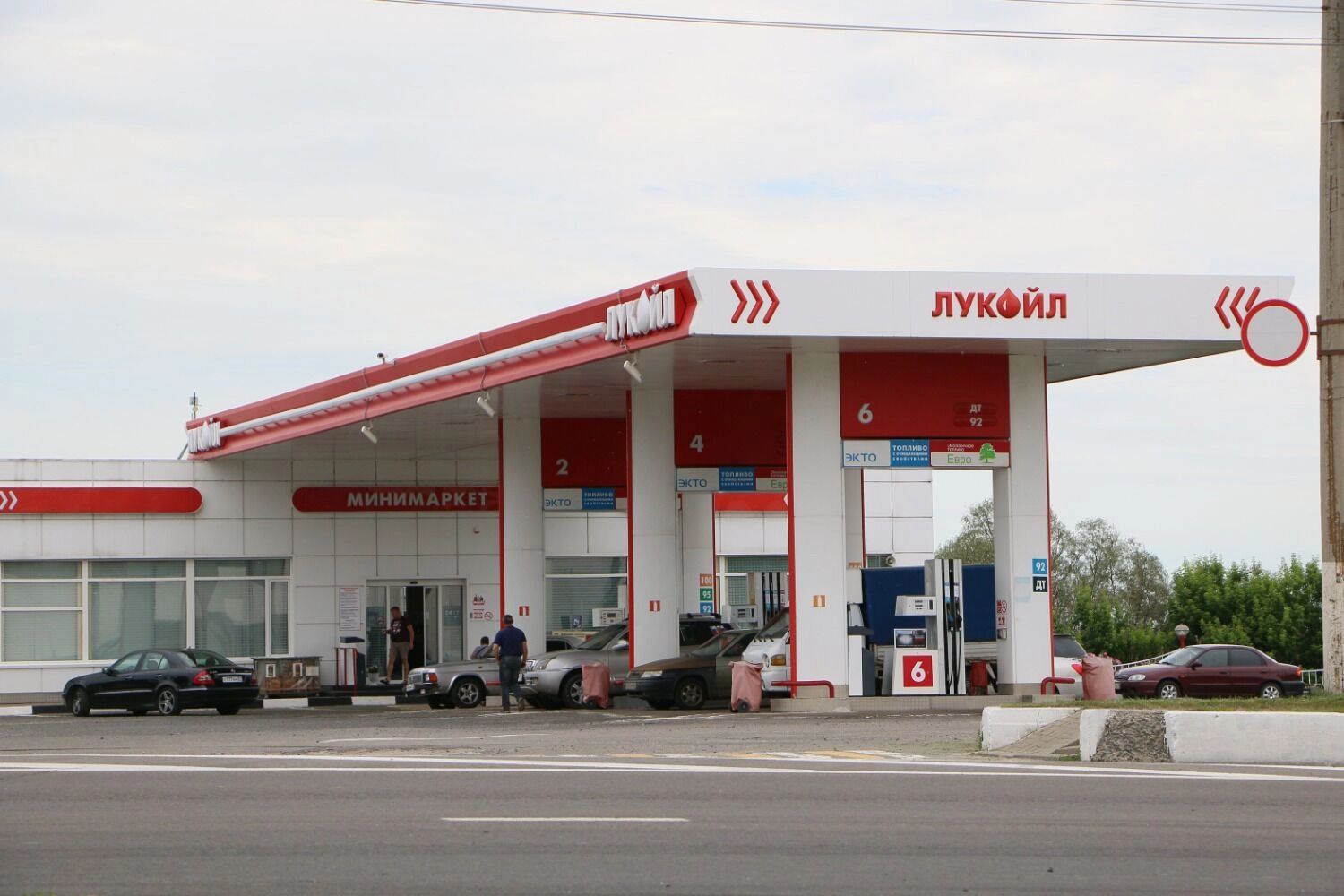
The geographical scope of the fuel crisis in Russia continues to expand rapidly. Local shortages of petrol and diesel, which were previously reported mainly in the southern and central regions of the Russian Federation, have now officially reached Siberia and the Far East.
An adviser to the Ukrainian Minister of Defence drew attention to the fuel crisis Serhiy Sternenko. According to him, the crisis is forcing local petrol station operators to impose strict restrictions on the general public, which are increasingly reminiscent of the Soviet-era «rules of survival».
The geography of restrictions: From Siberia to Murmansk
The situation on the Russian retail fuel market is becoming critical in several major regions, where local authorities and private petrol station chains are being forced to take drastic measures:
-
Irkutsk Oblast, Buryatia and Transbaikal: The popular AI-92 petrol has become a scarce commodity. Petrol stations have introduced limits: no more than 20 litres of fuel per person per visit.
-
Krasnoyarsk Krai and Murmansk Oblast: Trade monitoring organisations have effectively declared jerry cans «outlawed». Petrol stations are prohibited from dispensing fuel into any container other than car fuel tanks, in order to stop people panic-buying up remaining supplies and setting up private stockpiles.
-
Volgograd, Karelia, Novorossiysk: Regions are suffering from widespread shortages. Drivers report queues stretching for miles at petrol stations that still have fuel, and the widespread closure of stations that have completely run out of stock.
The context of the crisis: Introduction of restrictions The ban on the sale of petrol in jerry cans has already sparked widespread outrage among residents of the northern and Siberian regions. For thousands of people, fuel in jerry cans is their sole means of survival — from refuelling boats and snowmobiles to powering generators amid constant power cuts.
Why is the Russian fuel system failing?
Analysts and military experts identify three key factors that have triggered the current fuel paradox in this oil-producing country:
-
Technical breakdown at the oil refinery: Systematic strikes by Ukrainian long-range drones Russian oil refineries (including those in Volgograd, Ilsk and elsewhere) have significantly reduced their output of high-quality fuel. Rapid repairs are being hampered by Western sanctions on the supply of high-tech equipment.
-
The Russian Railways transport deadlock: The Russian rail network is in a state of logistical collapse. The eastern section of the network is overloaded with military convoys and coal for export. As a result, fuel tankers are stuck in traffic jams for weeks, unable to reach remote oil depots in Siberia or the North.
-
Oil traders’ export priority: Even amid severe domestic shortages, Russian companies are looking for any loopholes to sell fuel abroad through «grey» schemes. Selling for foreign currency remains far more profitable than selling fuel on the domestic market, where prices are kept in check by the state.
The Russian authorities are trying to downplay the scale of the problem, but the fact that petrol stations are now operating under rationing points to a deep-seated systemic crisis that can no longer be hidden from the general public.