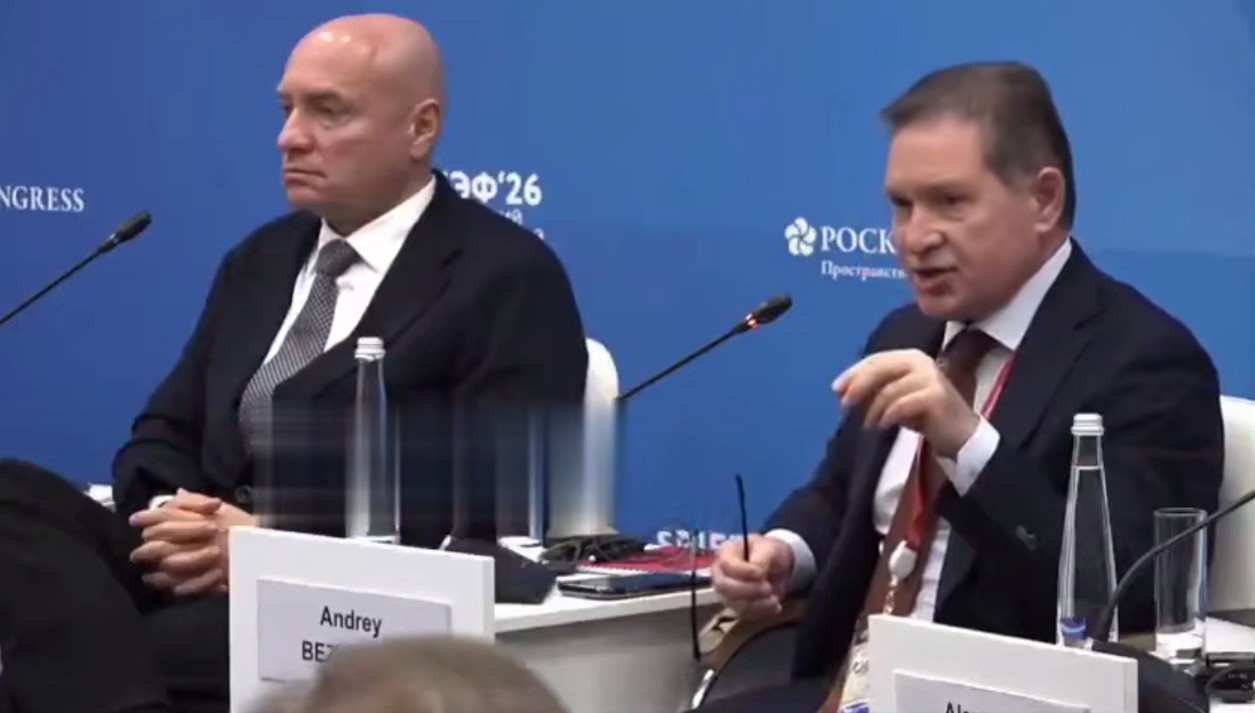
Former Colonel of the Russian Foreign Intelligence Service Andrey Bezrukov has stated the need to prepare society for a long period of military conflicts. He predicts that Russia will be in a state of constant confrontation for decades to come, where war will become a normal part of life for several generations.
- Colonel of the Russian Foreign Intelligence Service Andrey Bezrukov predicts that the war in Russia will last for decades.
- According to him, two generations will grow up accustomed to permanent martial law.
- The conflicts of the future will include drones, cyber operations and biological threats.
- The main zone of tension is shifting to the Asia-Pacific region.
Forecast of a prolonged military confrontation in Russia
Colonel of the Russian Foreign Intelligence Service, retired Andrey Bezrukov said that Russia should prepare for a «decade of war». He stressed that in the coming decades, the country will remain involved in various conflicts, and society will adapt to the new reality. «Two generations will grow up that can be called the warring generations,» Bezrukov said.
Shifting global tensions to the Asia-Pacific region
Bezrukov believes that the centre of global confrontation is gradually shifting to Asia. It is in Asia Pacific key conflicts between the leading powers may arise in the region. This indicates a change in the geopolitical situation, where new challenges will have a significant impact on international security.
New technologies in the wars of the future
The former intelligence officer highlighted drones as one of the main tools of future wars. According to him, drones will play an important role in reconnaissance, targeting and combat operations. In addition, Bezrukov named cyber operations and biological threats as important factors that will change the nature of military conflicts.
Military rhetoric and social mobilisation
Bezrukov's statement reflects the growing militarisation of political and expert rhetoric in Russia. The theme of «generations of war» may indicate that society is preparing for a prolonged period of mobilisation and international confrontation. This has important implications for domestic politics and security in the region.