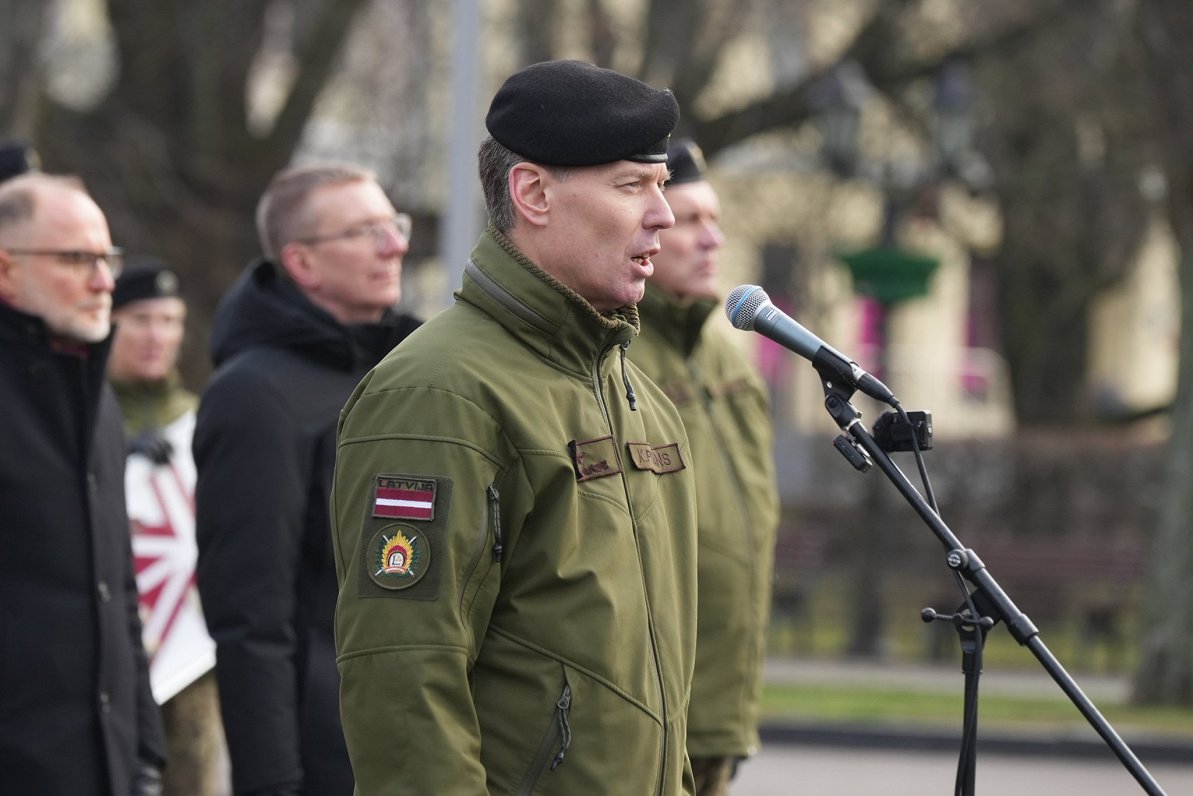
The commander of the Latvian Armed Forces, Kaspars Pudāns, said that Russia could use the period until 2028 for potential aggression against NATO countries. The Kremlin has an advantage in drone technology and is rapidly amassing resources for war. Western officials have also warned of the possibility of testing NATO's readiness earlier than expected.
- The commander of the Latvian Armed Forces predicts possible Russian aggression by 2028.
- Russia is taking advantage of drone technology and rapidly accumulating resources.
- The rearmament of Europe is slow, which creates a window for potential actions by the Kremlin.
- Western officials warn of a possible test of NATO's readiness earlier than expected.
Latvia's military leadership's forecast of Russia's aggression
Commander of the Armed Forces of Latvia Caspian Pudans suggested that Russia may try to use the window of opportunity until 2028 for potential aggression against NATO countries. According to his in words, The Kremlin sees the coming years as the best time to act because of the slow pace of European rearmament. This creates a strategic advantage for Moscow, as it already has significant technological potential.
Russia's advantages in drone technology
Russia has an advantage in scaling up drone technology, which allows it to rapidly accumulate resources for warfare. This fact reinforces Concerns in the Baltic States and NATO, as drones can be effectively used for reconnaissance and strikes, increasing the operational capabilities of Russian forces. The high rate of development of unmanned systems has become a key factor in the potential threat.
Western risk assessments for NATO
In addition to the Latvian commander, other Western officials have warned of the possibility that Russia may try to test the readiness of the Baltic states or NATO earlier than expected. This is attributed to the political situation in the United States, which affects international military strategic plans, as well as to the pace of rearmament in Europe, which remains insufficient to respond immediately to new threats.
Political and military context
Political instability in the United States and the postponement of key defence decisions pose additional risks to collective security NATO. At the same time, the slow renewal of weapons in European countries makes them more vulnerable in the event of a rapid escalation of the conflict. These factors together determine the Kremlin's ability to use the period until 2028 to achieve its strategic goals.
Impact on the security of the Baltic Sea Region
The Baltic states remain at the forefront of potential threats, given their geographical location and historical experience. Assessments by Latvian commanders and Western experts highlight the need to accelerate the modernisation of defence systems. Timely response and strengthening of the region's defence capabilities are becoming key tasks for maintaining stability and security in northern Europe.