
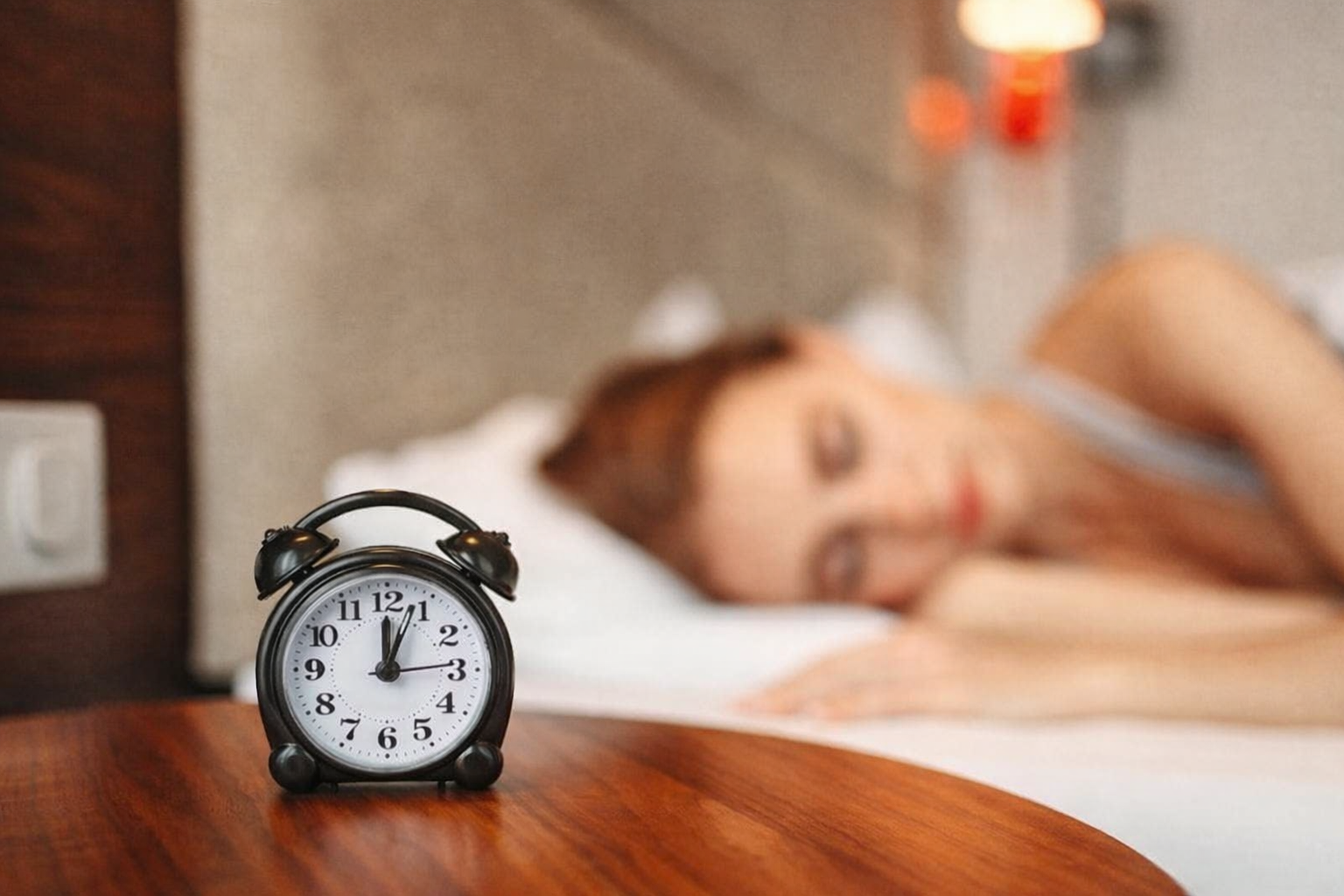
Harsh and loud alarm sounds can have a negative impact on a person's mental and physiological well-being, according to scientific and medical sources.
How the sound of an alarm clock affects the body
A loud and sharp signal activates the sympathetic nervous system, the part of the body that is responsible for the fight-or-flight response.
As a result, the body abruptly switches from a state of sleep to a state of stress. The level of stress hormones, in particular cortisol, rises in the blood, and the heart rate increases.
Researchers note that such a sudden transition can cause a feeling of internal tension from the first minutes after waking up.
The effect of «sleep inertia»
Scientists also draw attention to a phenomenon known as sleep inertia. This is the period after waking up when the brain is not yet fully active.
At this point, a loud sound can impair cognitive functions, such as memory, attention, and reaction time. That's why people often feel «foggy headed» after waking up to a loud signal.
Which alarms are considered less harmful
Experts advise using softer wake-up calls to reduce stress on the body.
These options include:
-
melodic sounds instead of harsh signals
-
gradual increase in alarm volume
-
sounds of nature or calm music
-
light alarm clocks that simulate dawn
Such methods allow the body to wake up gradually and reduce the load on the nervous system.
Context.
The quality of sleep and the way we wake up are increasingly becoming the subject of scientific research. Scientists are studying how various factors - from the sound of an alarm clock to lighting and sleep patterns - affect human health.
Experts emphasise that proper sleep patterns and gentle waking up can improve concentration, mood and overall well-being throughout the day.







[...] Time changes can cause sleep disturbances, irritability and fatigue. [...]