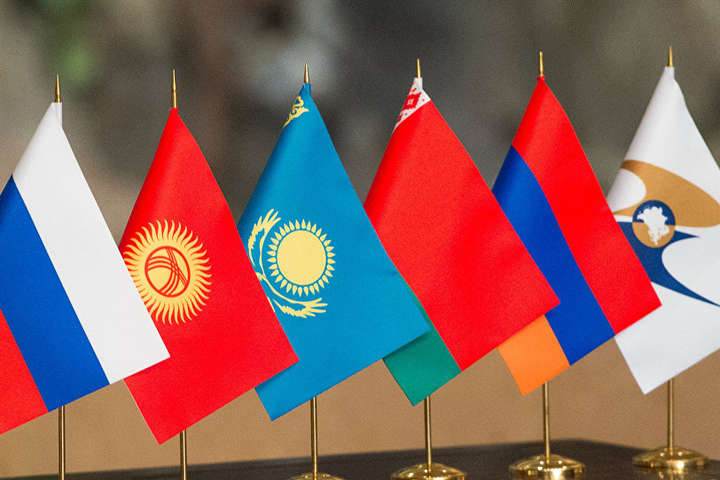
At the Eurasian Economic Union summit in Astana, the leaders of the member states called on Armenia to hold a national referendum on the choice between joining the EU or remaining in the EAEU. Armenian Prime Minister Nikol Pashinyan insists on maintaining membership in the EAEU, while Russian President Vladimir Putin has said that simultaneous membership in both organisations is impossible. This is happening against the backdrop of growing tensions between Armenia and Russia due to Yerevan's rapprochement with the European Union.
- The EAEU leaders called on Armenia to hold a referendum on membership in the EU or the EAEU.
- Putin said that simultaneous membership in the EU and the EAEU is impossible.
- Armenia has signed a 2025 strategic partnership agenda with the EU.
- Russia imposed bans on imports of Armenian products due to Armenia's rapprochement with the EU.
EAEU leaders call for a referendum in Armenia
At a summit in Astana on 29 May, the heads of Russia, Belarus, Kazakhstan and Kyrgyzstan issued a joint statement calling on Armenia to hold a national referendum as soon as possible on the choice between joining the European Union or remaining part of the Eurasian Economic Union. This decision reflects the tense situation around Armenia's geopolitical course.
Positions of Armenia and Russia in the context of membership
Prime Minister of Armenia Nikol Pashinyan has repeatedly stated that the country has no plans to leave the EAEU, despite the signing of the strategic partnership agenda with the EU in December 2025. At the same time, Russian President Vladimir Putin, participating in a meeting of the Supreme Eurasian Economic Council in Astana, said. Pashinyan that Armenia's simultaneous membership in the EAEU and the EU is impossible, emphasising the Kremlin's tough stance on this issue.
Russia's economic pressure on Armenia
Due to Armenia's rapprochement with the EU, Russia imposed a ban on imports of fresh tomatoes, cucumbers, peppers, strawberries and other agricultural products from Armenia. The restrictions also affected flowers, Jermuk mineral water and alcoholic beverages. In addition, the Kremlin has threatened to denounce the agreement on the supply of natural gas, oil products and rough diamonds, which puts significant economic pressure on Yerevan. Armenia currently buys gas from Gazprom for about $170 per thousand cubic metres.
Political situation in Armenia against the backdrop of challenges
On 7 June, parliamentary elections will be held in Armenia. According to the latest polls, the Civic Contract party led by Nikol Pashinyan has the most support, while the opposition Strong Armenia bloc is leading by a wide margin. These elections may determine the future direction of the country's foreign policy in the context of high geopolitical competition between Russia and the EU.