Hungary may this week stop blocking the technical procedure required for the possible opening of two new negotiation clusters between the EU and Ukraine and Moldova, according to the Financial Times. These are the «Internal Market» and «Competitiveness and Inclusive Growth» clusters. Budapest is making its final political support conditional on the Verkhovna Rada passing Bill No. 16119 on the educational rights of national minorities.
Briefly about the main points
- Hungarian diplomats may not block the preparatory correspondence regarding the two clusters.
- This move does not mean that the Hungarian veto will be lifted unconditionally.
- Budapest is awaiting a law on the educational and linguistic rights of minorities.
- Draft No. 16119 is currently being considered by the relevant committee.
This refers to the preparatory stage in Brussels
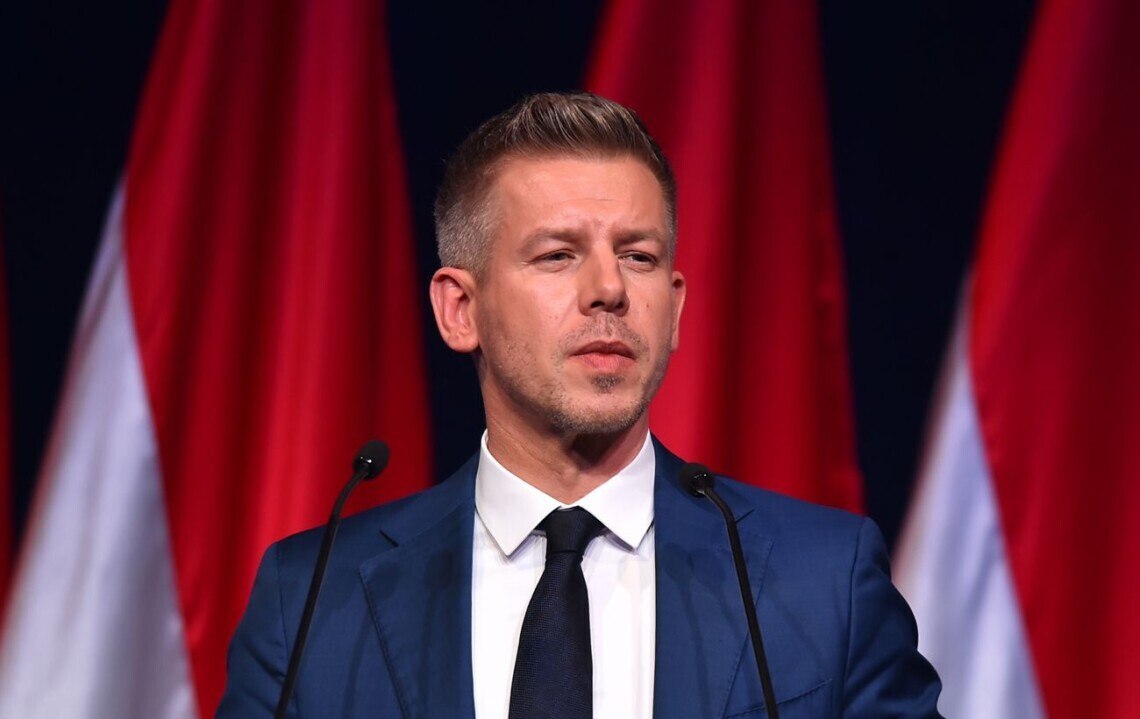
According to the Financial Times, citing two informed sources, the Prime Minister of Hungary Peter Magyar instructed the diplomats not to obstruct the sending of letters to Ukraine and Moldova regarding the potential opening of the next negotiation clusters. Working meetings on this matter are due to take place in Brussels this week.
This procedural step does not constitute a decision by EU countries to formally open negotiations on specific issues. At the same time, it is seen in Brussels as a sign that the negotiation process may move forward. At the end of September Hungary blocked the approval of the screening results for clusters 2 and 3, without which a formal transition to reopening was impossible.
Budapest is awaiting changes regarding the educational rights of minorities
Hungary is making its continued support conditional on the resolution of the Hungarian minority’s educational and linguistic rights in Ukraine. Bill No. 16119 was tabled in the Verkhovna Rada on 1 October; it provides for amendments to the legislation on the educational rights of indigenous peoples and persons belonging to national minorities.
The document is intended to strengthen the legal safeguards for education in the languages of national minorities and is the result of consultations between Kyiv and Budapest. Its authors include the parliamentary leadership and a group of MPs.
As of 5 October, the bill is being considered by the committee and has not yet been passed. Parliament may vote on it on 12 October.
Following the Council’s decision, the clusters may be opened up politically
If. Verkhovna Rada If Ukraine supports the draft law and Hungary deems its conditions to have been met, EU Member States will be able to proceed to a political decision on the formal opening of the two negotiation clusters. This depends on both conditions being met, rather than on an agreed timetable.
Decisions could potentially be taken before the next EU leaders’ summit in Brussels. Budapest’s technical non-objection merely paves the way for this next stage.
Negotiations are continuing against the backdrop of a long-standing dispute between Kyiv and Budapest
Ukraine had already begun negotiations on the chapter relating to the judiciary and fundamental reforms in June, and on external relations in July, according to Reuters. Once new areas of negotiation have potentially been opened, progress will continue to be made, in particular, on the green agenda and sustainable transport, as well as on resources, agriculture and cohesion.
The rights of the ethnic Hungarians in Transcarpathia have long been a subject of dispute between Kyiv and Budapest. In September, Hungary once again linked Ukraine’s progress in the EU accession negotiations to additional guarantees for the Hungarian minority.